
When people think of beauty ideals, many of their minds jump to thin women on magazine covers and beauty queens in glittering crowns. While the beauty industry certainly targets women (or feminine-expressing people) through makeup and clothing, men are also targeted in other ways. It’s true that as a society we have made great strides against body shaming in women, and we still have a long way to go. It is important, though, that while we continue to promote body positivity in women, we do so with men as well.
If we task ourselves to think of the “ideal” guy, chances are that image has been altered by the media in some way. This is not much different from the ideals we hold for women. Think of the saying, “tall, dark, and handsome”. This is a common saying from previous generations that was meant to describe the dream guy, and it has stayed alive through the media. These three little words leave lots of men out of the running, though.
Tall, Dark, and Handsome

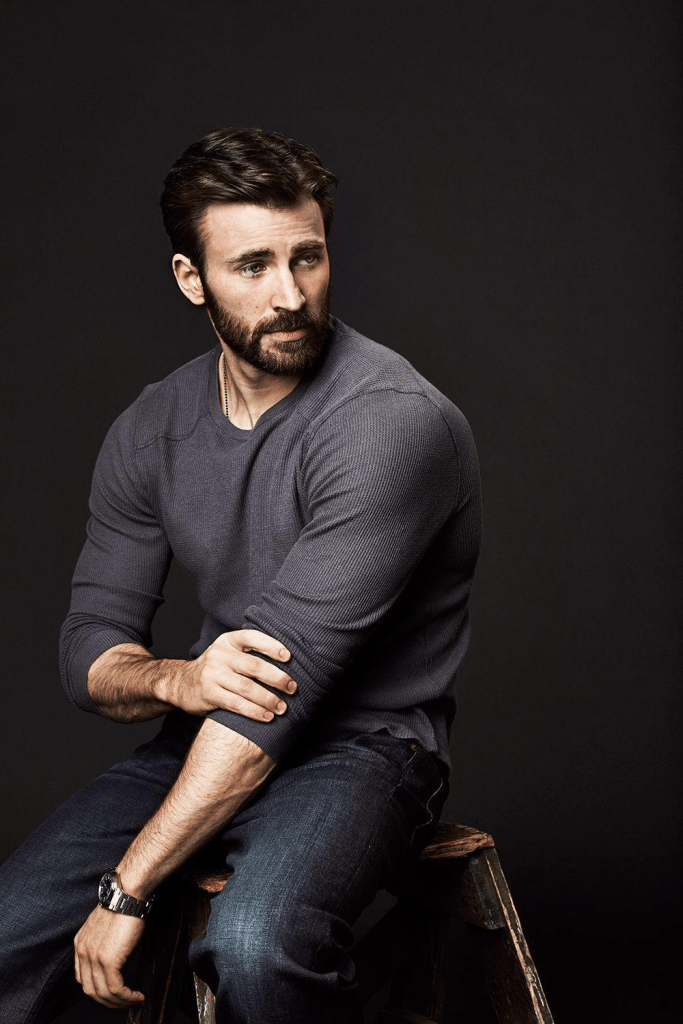
In the past, the most successful men in media seemed to fit that mold perfectly: stars like George Clooney, Arnold Schwarzenegger, and Denzel Washington to name a few. If you’re not convinced yet, think of the leading man in any movie you’ve seen today: Chris Evans, Dwayne Johnson, and Bradley Cooper among others. They all qualify as conventionally attractive if we use the phrase “tall, dark, and handsome” as our metric. It is evident, then, that the media (including movies and TV) all influence our idea of the “perfect” man, and this has not changed in decades.
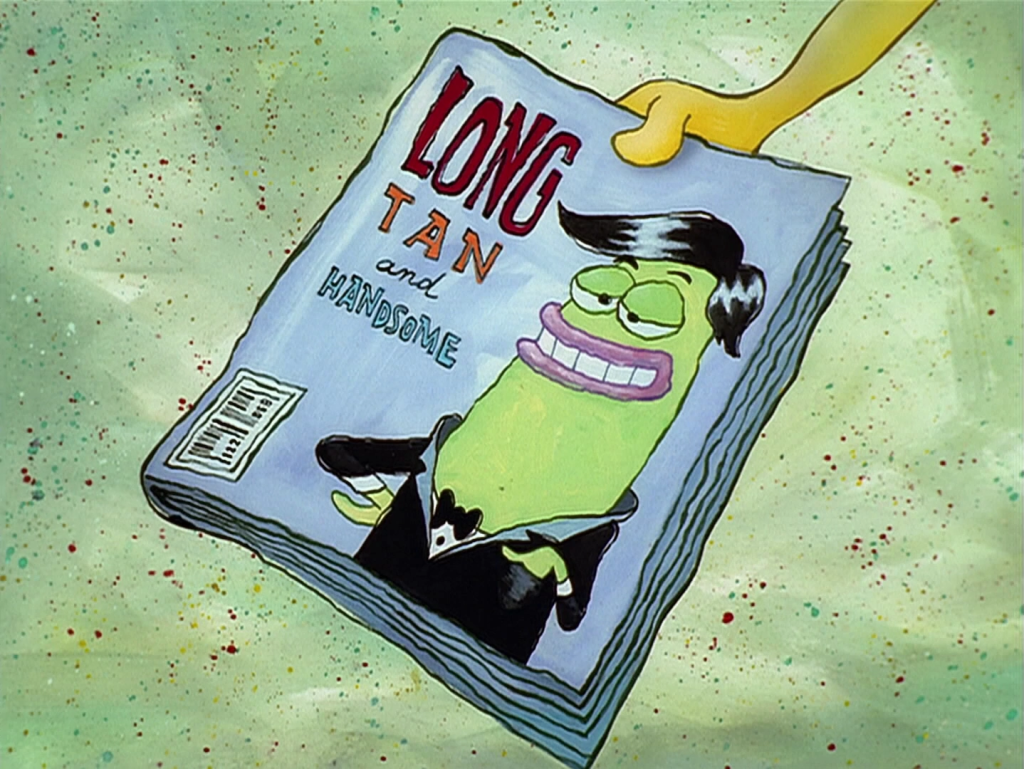
In the video above, several men confessed their insecurities about their bodies. One of them mentioned a phrase that stuck to me. I had heard the phrase “tall, dark, and handsome” or some version of it before, and suddenly I remembered where I recognized it from. It was in one of the earlier episodes of SpongeBob SquarePants called “The Chaperone”. In this episode, SpongeBob completely reinvents himself in order to fit in at Pearl’s high school prom. I mention this because, even as a young kid, I remembered what his goal was: to be like Pearl’s popular ex-boyfriend, “Mr. Long, Tan, and Handsome”. He was also influenced by a magazine that went by that same name. In the end, by pretending to be something he wasn’t, SpongeBob only embarrassed himself.
This phrase, which has become the standard for male attractiveness, was also one of the first things uttered in the video above. The men go into detail about how this standard has affected their body image.
Here are some of the main concerns they mentioned:
- Not being athletic enough
- Being shorter than average
- Being too skinny
- Being too fat
Now, I’m sure you recognize some of the things on that list—regardless of your gender identity. Many of us worry about the same things, when in truth, it is okay for our bodies to look different. So, we know this already. Why do we still care?
Men & Media
Well, the most obvious reason is that we perpetuate these impossible standards through media. All the time. In the same video I mentioned earlier, one of the guys jokingly cites an Old Spice commercial as the source of his insecurity. In this commercial (above), actor Isaiah Mustafa asks viewers to compare his body to that of their boyfriend. This is a big ask; his abs have been visibly spray-painted to enhance their appearance. No man would ever have abs that defined, even if they exercised regularly. Yet, the commercial suggests that the actor’s appearance is precisely what makes him a man. That, and the fact that he uses Old Spice, of course.
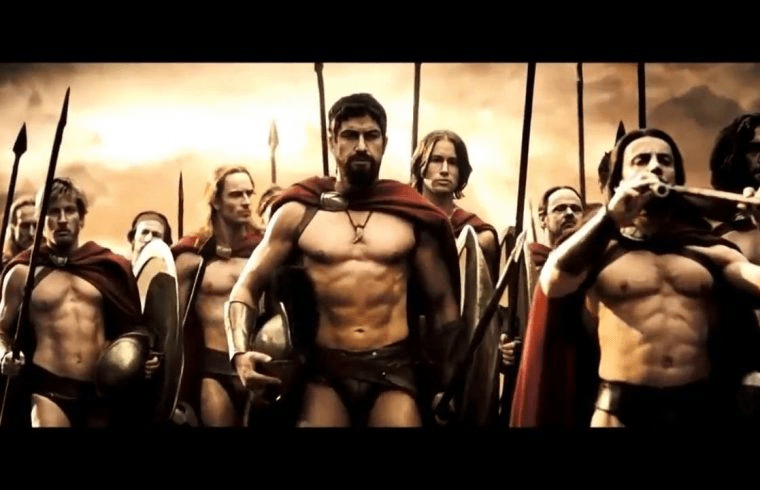
Another example of this comes from the movie “The 300” (2007). Pictured above, this film starred Gerard Butler in the role of the Spartan warrior, King Leonidas. The workout that Gerard and his fellow castmates used while preparing for the film became popular shortly after the movie’s release. Regular men around the world were now following “The 300 Workout”. However, even with this workout regimen, no average man would be able reap the same results as Gerard Butler did. Not unless they were following a strict diet and working out for several hours a day. This is simply unrealistic for the average man (unless they plan on starring as a Spartan war hero anytime soon).
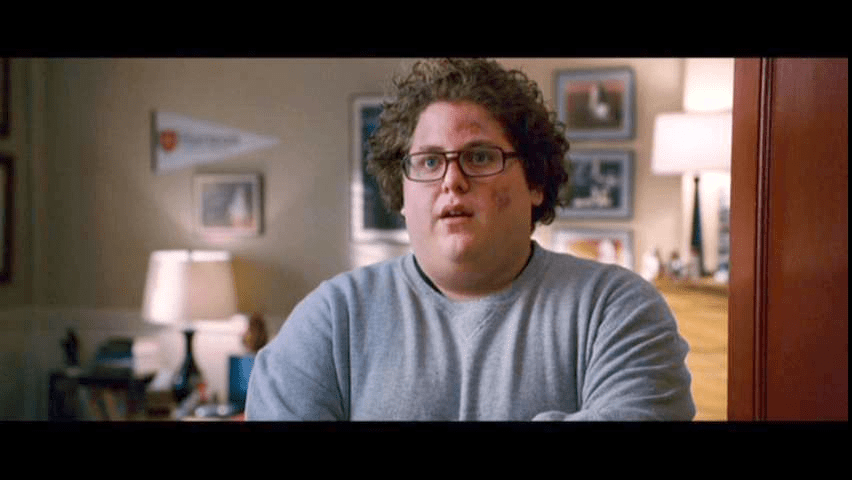
So, what do we think of those men that don’t fit the mold? In the film “Accepted” (2006), Jonah Hill’s character seems awkward, embarrassing, and weak when we compare him to the rest of the cast. If you’ve ever seen a Jonah Hill film, you know his characters have the same “loser” quality that makes him likeable. This is a popular Hollywood trope in which the “fat guy” serves as the film’s comic relief, but he is never really taken seriously. He’s certainly not seen as a man, even though that’s what he is. Instead, he’s just the loveable-but laughable-guy. This tells men that they can only be the protagonist if they look a certain way. They shouldn’t be confident or too assertive if their body mass index is above a certain range. Of course, one would hope that their physical attributions never overshadow their personality.
Having Realistic Expectations
In the end, it’s important to remind ourselves and others that media can alter our sense of reality. For men, women, and non-binary people alike, it can be difficult to look like the people we see on our TVs and phones—and this is just fine. How can we can combat such unattainable ideals when they’ve been in place for so long? We can do so by promoting body positivity for all and by recognizing the media’s high potential for idealization. And most of all, treat everyone with kindness!
Author: Katherine Castro
 Body Image Through Media
3 replies on “Body Image Issues in Men”
This blog post spread such an important message. A lot of people only focus on women body issues, but it is important to also focus on body issues in men. In the media, men are always portrayed as tall, strong, and extremely handsome. If men are watching these commercials, they are going to feel less important if they do not look like the guys that the media deems as important. The commercial you guys added to this blog of the old spice, is a perfect example of this. The guy in the ad is tall, strong, and handsome. Awesome post!!
LikeLike
While we focus the majority on how women are being portrayed in advertisements, tv shows, online, etc…it is so important for people to realize that men are also being portrayed in a certain way. Due to this, men are also going to be negatively affected by the kinds of ads they see. Men have feelings as well, and also struggle from mental illness that is caused by the media and how society deems how people should look. By having realistic expectations, we are going to be more likely to accept others for who they are and what they look like. This is exactly how society SHOULD operate, rather than by judging someone immediately based on what they look like. People are more than just looks. I really hope this changes within the near future, as we don’t want the next generation of people to be just as judgmental. In order to fix this, we need to fight for those who are underrepresented and those who do not have the same kind of platform as those seen on the tv screens.
The “ideal guy” can be different for everyone. Everyone has different tastes and wants. Everyone is looking for something different when it comes to love and finding the right person to be with. I think it is really unfair for society, and more importantly the media, to tell us what the “ideal guy” should look and be like. Again, this was an amazing post and really educational!!
LikeLike
First and foremost, this article was remarkable! I really enjoyed the insights it provided, as a cisgender female myself I believe I’m often times caught up on expectations placed on me and other women in my position but this gave me refreshing new perspective. ‘Tall, dark, and handsome’ is a trope I personally know all too well. I am guilty of perpetuating this expectation of men to be tall, brooding, and handsome. I think it’s important to note that despite there being a certain level of expectation for men to not look like that unless they’re in the film industry, much like women, they still feel the pressure and become self conscious when they feel they can’t measure up. I also really appreciated the mention of the SpongeBob episode! I remember it vividly and I think it’s wonderful that a kid’s show could take a real adult issue and proceed to spread a positive message to viewers, especially young and impressionable ones. It’s sad that through what the cinema reflects onto society we suddenly make assumptions and have thoughts that wouldn’t be true otherwise. It rung shockingly true that even though I never outright thought about it, through the example of Jonah Hill’s character in the article, Hollywood has ingrained into us that somehow certain traits equate to someone being less of a man. Overall, I agree that it is vital to remain realistic in the expectations you set for yourself, you simply can’t have the body of an actor whose one job is to be fit and match a role they’re preparing for. This article brought important awareness to the fact that women are not the only ones who feel pressured and self-conscious as a result of the media. Body positivity is still not as mainstream as I feel it should be so we should do our utmost to spread the normalization of different bodies. Everyone needs to realize that we’re all individuals, no two are made the same so I’d say that the only viable option is to be the best version of yourself you can be, regardless of sexual identity, race, or gender!
LikeLike